


Is Australia the Optimal Choice for Your 3PL Fashion Logistics?
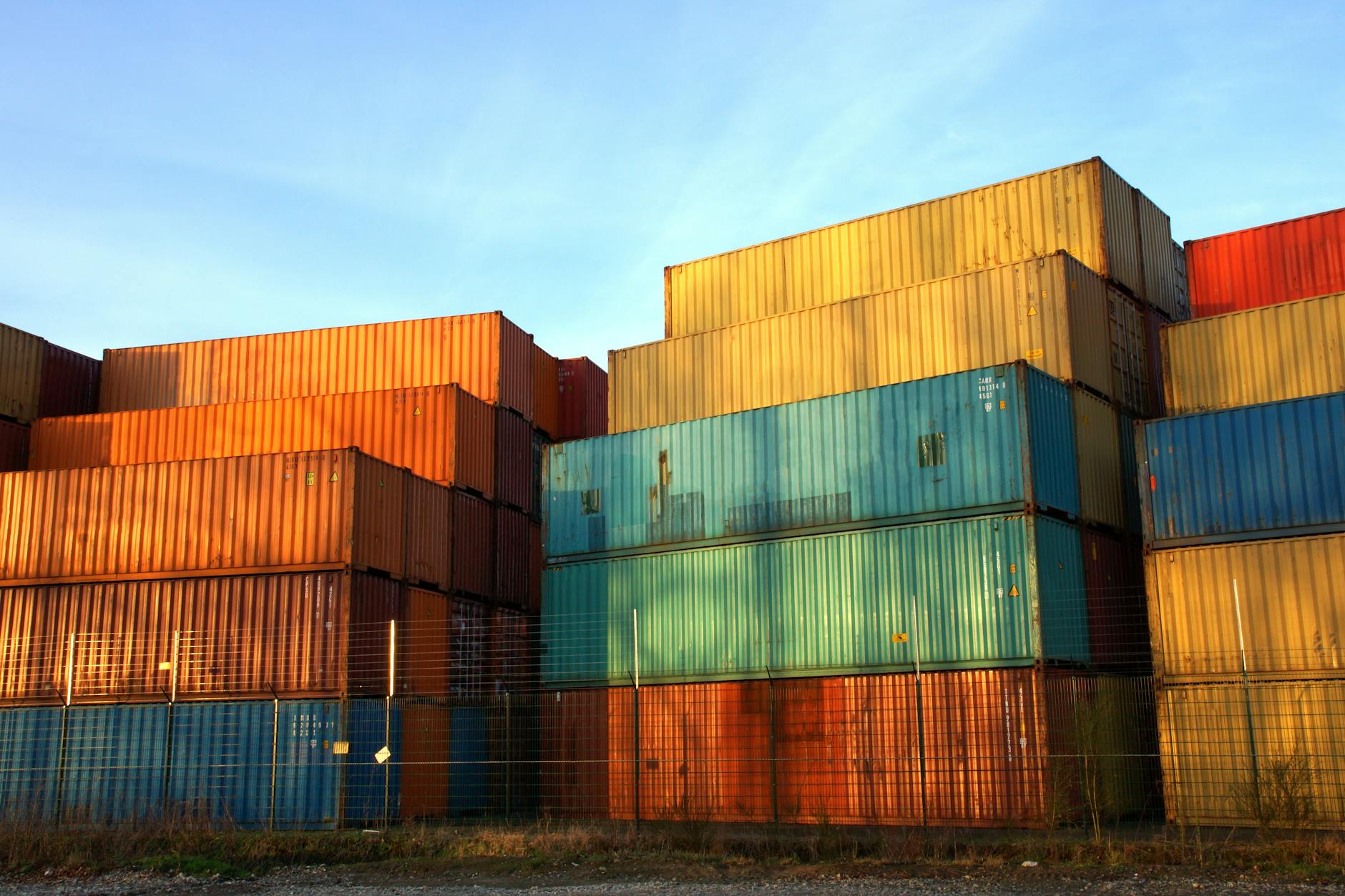
Australia’s Logistics Landscape
Australia's logistics landscape is as diverse as the country itself, offering distinct geographic advantages that can greatly benefit businesses looking to optimise their operations. One can't help but notice the vibrant energy of the stylish boutiques on Queen Street Mall while discussing how geographic location plays a crucial role in logistics. Sydney, for instance, is a hub for warehousing due to its strategic location on the east coast, acting as a gateway for both international and domestic supply chains. These advantages have propelled warehousing Sydney into a central role for businesses aiming to expand efficiently.
As we stroll through the scenic views of South Bank Parklands in Brisbane, it's clear that sustainable practices are becoming increasingly vital in logistics. Australian companies are pioneering innovative methods to ensure environmental stewardship while maintaining operational effectiveness. The focus on sustainability aligns perfectly with the needs of today's eco-conscious businesses.
Moreover, infrastructure readiness is a key component of Australia’s logistics framework. Sydney's infrastructure, supported by a well-established network of roads, railways, and ports, makes it ideal for businesses seeking 3PL warehouse Sydney solutions. This infrastructure readiness ensures swift operations, enabling businesses to scale without facing bottlenecks.
Discussing such frameworks over coffee at one of Brisbane's local cafes, it becomes evident that understanding these logistics advantages is essential for businesses, particularly those involved in retail fashion, to make informed decisions and to align their logistics needs with their company values and growth objectives.
Evaluating 3PL Providers
Eco-Friendly Credentials
As a business owner passionate about sustainability, I understand the importance of aligning with 3PL providers that share your eco-friendly values. Selecting a provider with strong eco-friendly credentials is key to maintaining your brand's ethos. Look for companies that use renewable energy, minimize waste, and employ environmentally conscious shipping methods. Personally, I've found this approach not only supports my values but also resonates well with my customers, giving my brand an edge in today's conscientious marketplace.
Service Reliability
When I stroll down Queen Street Mall, I often find myself inspired by the fashion boutiques there, each flawlessly executing order fulfilment. As entrepreneurs, we need our 3PL partners to be as reliable as these stylish outlets. Service reliability involves more than just delivering products on time; it includes transparent communication and consistent quality. Whether you're dealing with a rush of holiday orders or managing regular stock levels, a dependable partner is crucial for seamless operations.
Scalability Options
In seeking growth opportunities, I often think about the ever-evolving landscape of retail. Having 3PL logistics that can scale efficiently with your business is fundamental. A 3PL provider should offer flexible solutions, from warehousing to distribution, that can adapt to your expanding needs. As your business grows, it's reassuring to know your logistics partner can handle increased demand without compromising on service quality. This adaptability not only supports your business during peak periods but also ensures smooth international expansion when the time comes.
Sustainability in Fashion Logistics
Carbon Footprint Reduction
Sustainability is an essential concern for anyone navigating the world of fashion logistics today. Carbon footprint reduction isn't just a buzzword; it's an actionable necessity, especially for business owners like myself. I've learned from my jogs along the picturesque South Bank Parklands in Brisbane that we can adopt simple yet impactful practices in our supply chain to contribute positively to the environment. Opting for green practices such as optimizing routes and using eco-friendly materials can significantly lower emissions, which aligns perfectly with sustainable values carbon footprint reduction.
Ethical Supply Chains
We've come a long way from the days when supply chains were purely about efficiency. Now, ethical considerations take center stage, especially in fashion logistics. As someone who cares about sustainability, I'm drawn to ethical supply chains that ensure fair labor practices, transparent operations, and responsible sourcing. Third party logistics also play a crucial role in maintaining these standards. Just like the artistic designs that catch your eye at GOMA, ethical supply chains also stand out because they benefit everyone involved, from the growers to the end consumers.
Innovative Practices
Driving innovation and sustainability in fashion logistics involves tapping into advanced methods like automation and digital tracking. Interestingly, it's akin to the vibrant mix of boutiques you find on Queen Street Mall—each with its special touch. By using technology like advanced pick and pack systems, businesses are now able to meet ethical standards while maintaining efficiency. These technologies streamline operations, reduce errors, and ultimately contribute to a more sustainable practice.
International Expansion Strategy
Navigating Trade Regulations
Navigating trade regulations is an essential aspect of international business expansion. As I explored options for my eco-friendly home products, understanding the logistics behind international shipping has been invaluable. Australia is notably governed by a complex framework of trade agreements and customs regulations, which can be both an opportunity and a challenge for entrepreneurs. To begin with, familiarising yourself with these regulations can facilitate smoother pick packing and customs clearance processes, which are critical for timely deliveries.
Many businesses might overlook the importance of a competent third-party logistics (3PL) provider in this context. My personal experience has shown that selecting the right logistics partner can simplify the adherence to international trade mandates. A 3PL with robust knowledge of trade guidelines is crucial not only to meet compliance but also to handle the documentation seamlessly, preventing unnecessary hold-ups.
In addition to compliance, understanding each market's nuances allows you to refine your expansion strategy effectively. Leveraging local insights will help develop tailored approaches for distinct markets. Moreover, maintaining a steady focus on sustainability at all stages can foster a positive brand reputation across borders. Ensuring ethical integrity during this phase can protect and promote your brand values globally. While managing these logistical intricacies may seem daunting, it remains a rewarding path towards successful global operations.
Navigating Fashion Logistics Challenges
Adapting to Regulations
Handling the intricate tapestry of regulatory compliance in Australia is akin to mastering the precision in couture stitching. Each state can vary, making it essential to be proactive and informed. I remember a delightful afternoon at a South Bank Parklands café, sipping an iced tea while sifting through updates on local trade laws. It's vital for us in the marketing realm to anticipate shifts and bolster our strategies for fashion logistics around these changes. Staying updated can prevent those unexpected hiccups that threaten to unravel a perfectly planned campaign.
Embracing Cultural Diversity
The cultural tapestry here is as rich as the vibrant displays at GOMA. Embracing cultural adaptation is not just about integrating local fashion notes; it's about genuinely understanding and celebrating diversity. I've often strolled along Queen Street Mall, noticing how brands creatively merge international styles with local flair, ensuring they resonate deeply with our eclectic Aussie audience. Implementing these insights can position brands to connect authentically with local consumers, enhancing their market presence.
Preparing for Disruptions
It's not uncommon for supply chain disruptions to catch us off guard, much like a surprise Brisbane thunderstorm on a sunny afternoon. Australia's unique geographic layout, coupled with unexpected environmental challenges, makes it crucial to build resilient systems for supply chain disruptions. Reflecting on past experiences, like the sudden delays during peak holidays, has highlighted the importance of flexibility and strategic planning. By having contingency plans and collaborating with reliable partners, we ensure that fashion trends reach their destinations seamlessly, much like an artist’s brushstroke delivering a masterpiece.